Hydration at Altitude: A Lesson From Mont Blanc
Climbing high-altitude peaks in late summer still brings deep cold before sunrise. Hydration is one of the problems you don't feel until it's already too late.
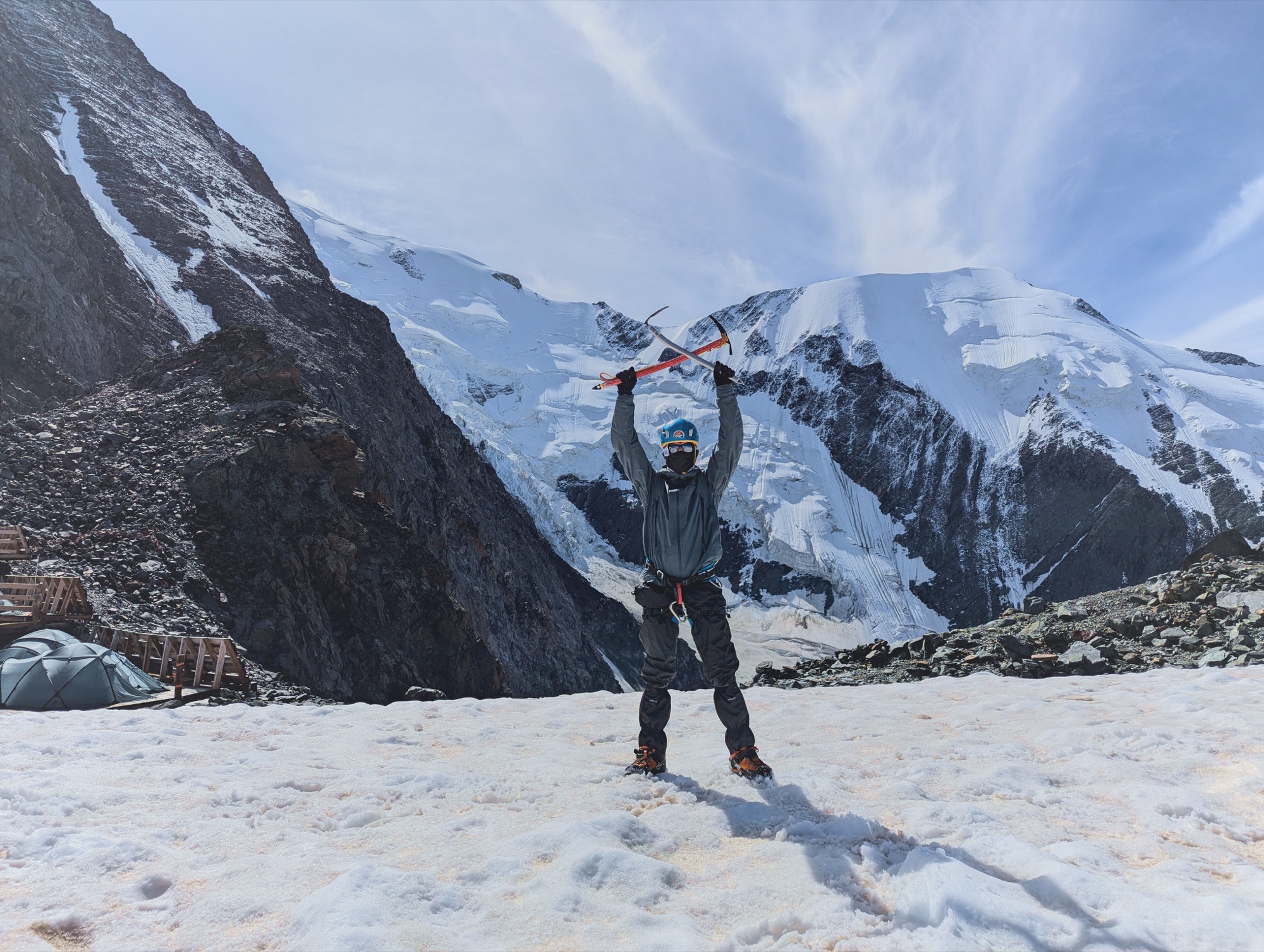
What went wrong
While climbing Mont Blanc from the last hut, I relied on a hydration bladder. The temperatures were well below freezing before sunrise, and the tube of the bladder ran outside my backpack. At some point, the water inside the tube froze completely. I didn't notice it immediately. I just stopped drinking.
The problem was not the frozen tube. The real problem was that I didn't realize I was getting dehydrated.
Why it matters at altitude
In cold and high-altitude environments, thirst is a terrible signal. You don't feel it. Your mind doesn't ask for water. But your body still loses fluids constantly through breathing, effort, and dry air. At altitude, this loss is even faster.
I only noticed something was wrong when my body started giving up. I felt unusually exhausted. I started feeling colder than expected. Everything required more effort. Of course, altitude played a role, but looking back, dehydration was a major factor. By the time I understood what was happening, it was already too late to fix it on the mountain.
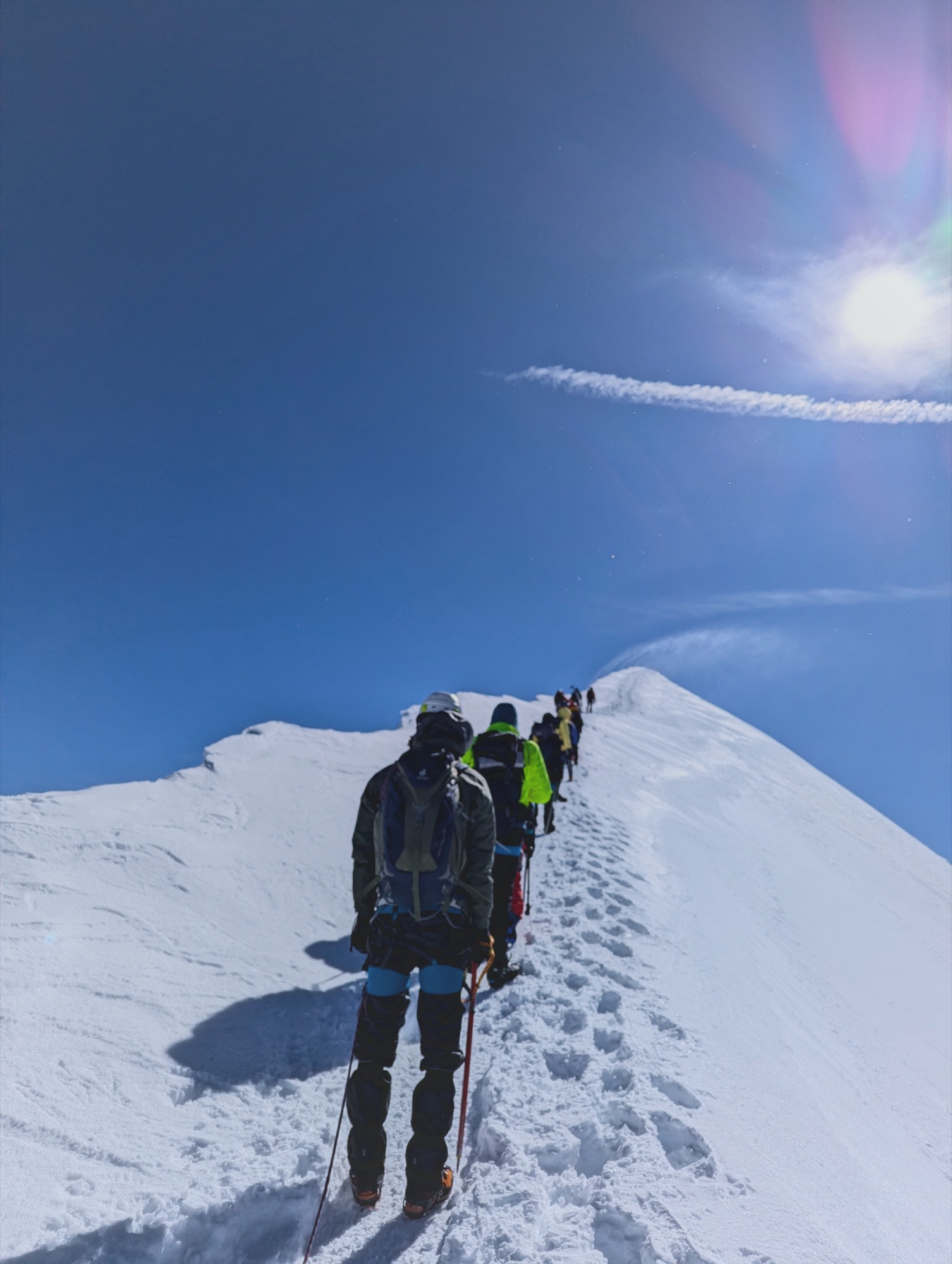
What I changed
That experience changed how I approach hydration in the mountains.
- I carry an insulated bottle with warm liquid, usually tea. Warm fluid is easier to drink, helps maintain core temperature, and doesn't freeze as easily.
- If I use a bladder, the tube stays inside the backpack, protected from the cold.
- I drink on a schedule. Small sips every 20-25 minutes, even when I do not want to.
The goal is consistency, not comfort. If you wait for thirst, you are already behind.
Hydration at altitude is not about comfort. It's about energy, warmth, and decision-making. When your body lacks water, it burns more energy, gets colder faster, and recovers slower. The effects are subtle at first, then sudden.
The simple rule
Remember